Last updated: 2026 Apr 24
Go back
Education:
- Specialist in Astronomy (BSc+MSc)
Ural Federal University
[Sep 2018 --- Jun 2024]
- PhD in Astronomy
Eötvös Loránd University
[Sep 2024 --- ongoing]
Employement:
- Technician
Kourovka Astronomical Observatory
[Nov 2022 --- May 2023]
- Assistant Researcher
Kourovka Astronomical Observatory
[May 2023 --- Sep 2024]
- Junior Research Fellow
Konkoly Observatory, CSFK
[Sep 2024 --- ongoing]
Formal CV (Last updated: Apr 24th 2026)
 The impact of rates of reactions with cosmic ray induced photons on chemical composition of protoplanetary discs
Zwicky, L. N., Molyarova, T. S.
problem /
solution
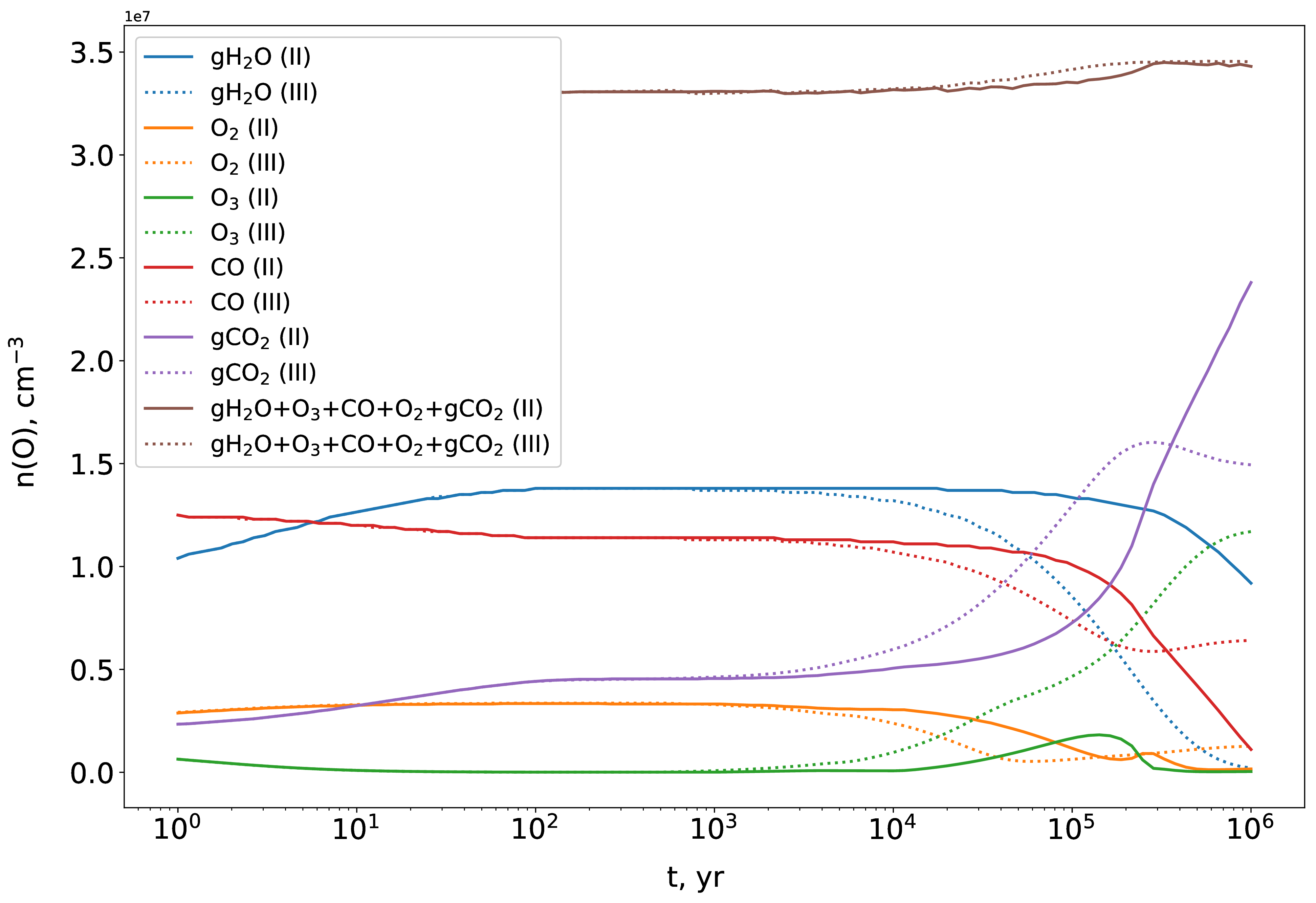
Cosmic rays and cosmic ray induced photons are vital components of chemical evolution in areas of interstellar medium that are impenetrable by external ultraviolet radiation. However, rates of reactions with cosmic ray induced photons used in astrochemical models were calculated for molecular clouds and can be different in protoplanetary discs, where dust grows up to larger sizes.
Using ANDES astrochemical model, we study how an increase in both upper dust size and rates of reactions with cosmic ray induced photons can influence species abundances in protoplanetary discs. We show that the increase in these reactions' rates has a significant impact on the ice mass fraction in area between 2 and 20 au but has little impact on ionisation degree in disc.
Link to ADS
 Observational chemical signatures of the past FU Ori outbursts
Lis Zwicky, Tamara Molyarova, Vitaly Akimkin et al.
problem /
solution
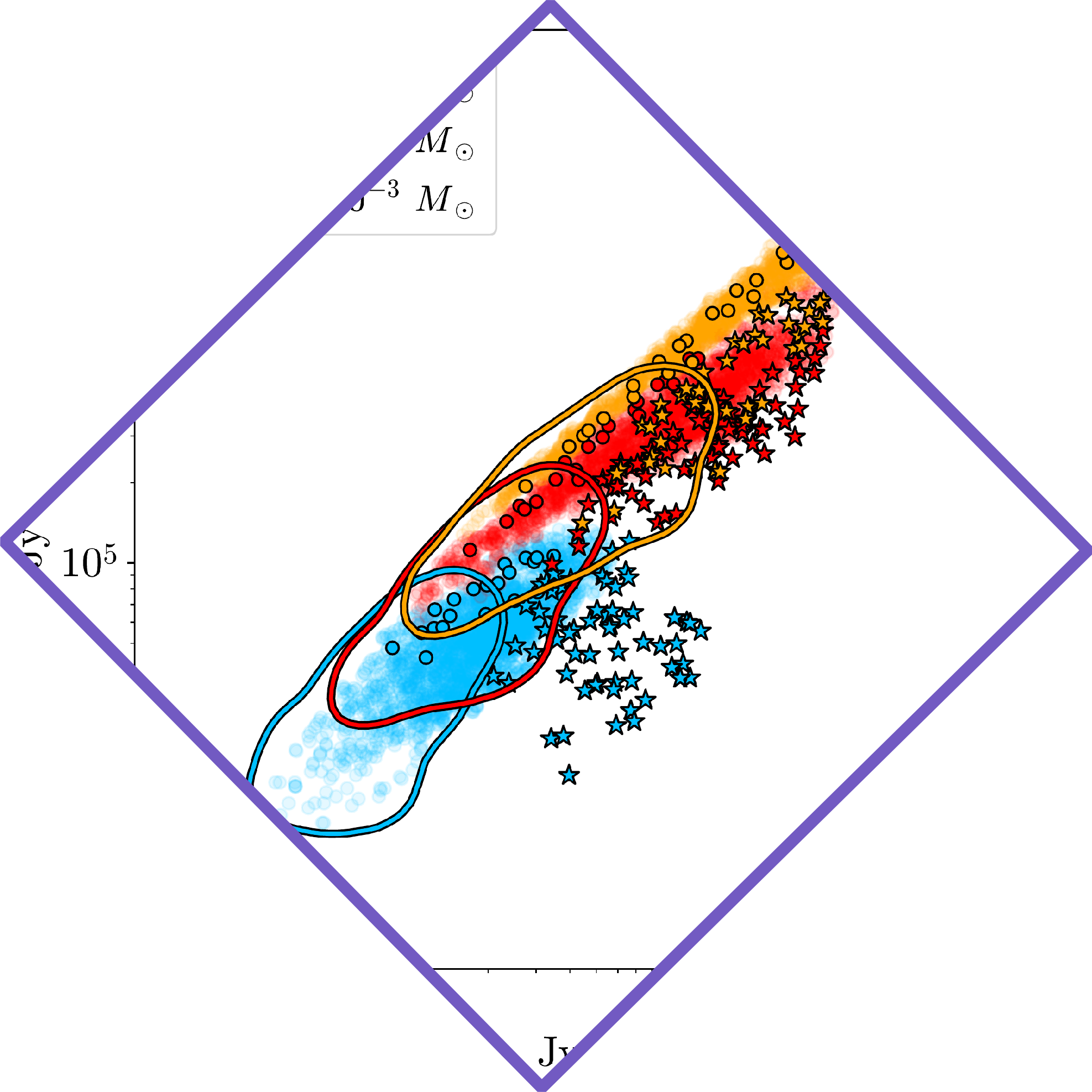
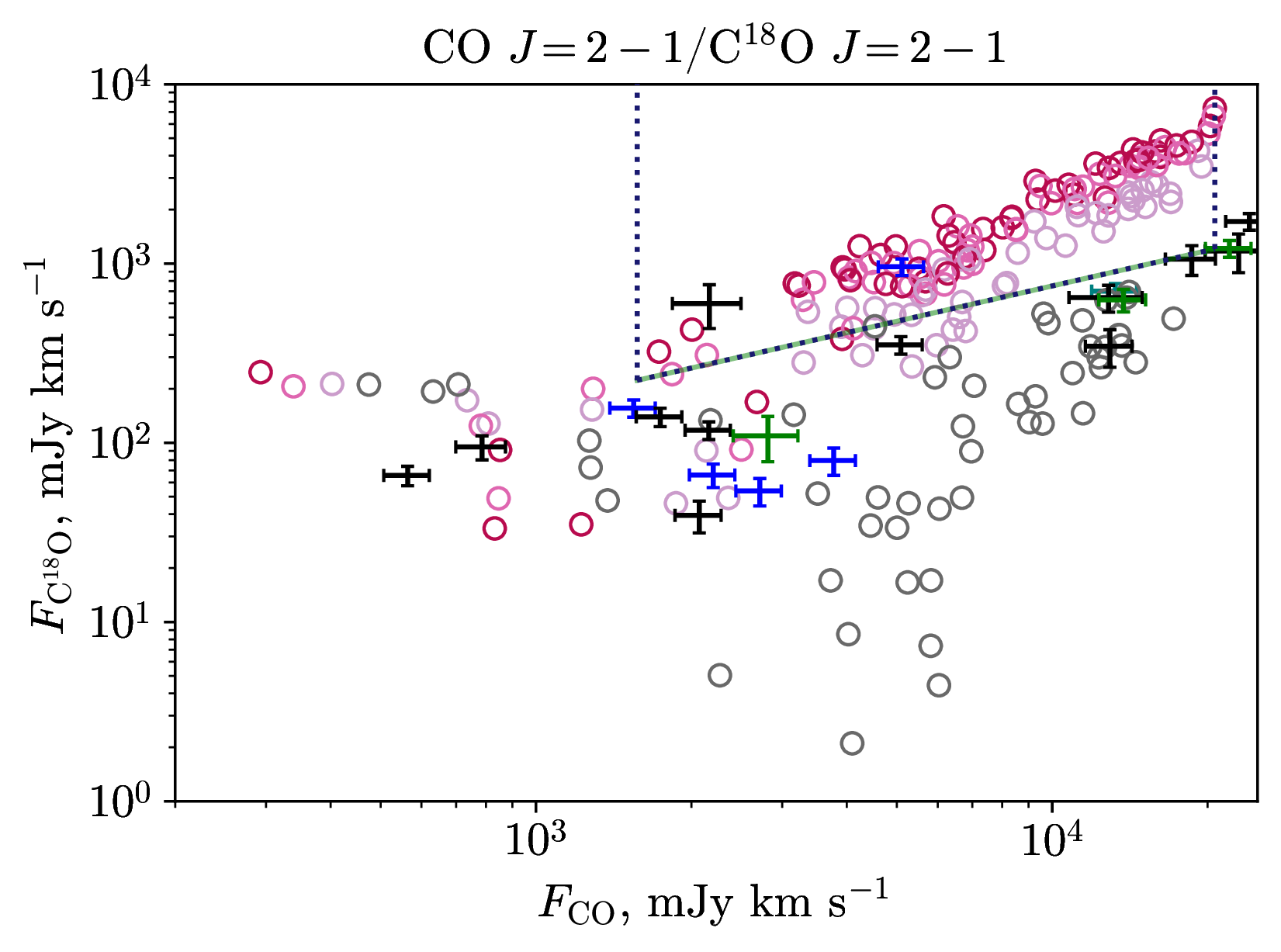
FU Ori-type stars (FUors) are young stellar objects (YSOs) experiencing luminosity outbursts by a few orders of magnitude, which last for ~102 yr. A dozen of FUors are known up to date, but many more currently quiescent YSOs could have experienced such outbursts in the last ~103 yr. To find observational signatures of possible past outbursts, we utilize ANDES, RADMC-3D code as well as CASA ALMA simulator to model the impact of the outburst on the physical and chemical structure of typical FU Ori systems and how it translates to the molecular lines' fluxes.
We identify several combinations of molecular lines that may trace past FU Ori objects both with and without envelopes. The most promising outburst tracers from an observational perspective are the molecular flux combinations of the N2H+J = 3-2, C18O J = 2-1, H2CO (JKa,Kc)=404−303, and HCN J = 3-2 lines. We analyse the processes leading to molecular flux changes and show that they are linked with either thermal desorption or enhanced chemical reactions in the molecular layer. Using observed CO, HCN, N2H+, and H2CO line fluxes from the literature, we identify ten nearby disc systems that might have undergone FU Ori outbursts in the past ~103 yr: [MGM2012] 556, [MGM2012] 371, and [MGM2012] 907 YSOs in L1641, Class II protoplanetary discs around CI Tau, AS 209, and IM Lup and transitional discs DM Tau, GM Aur, LkCa 15, and J1640-2130.
Link to ADS
 Dancing on the grain: Variety of CO and its isotopologue fluxes as a result of surface chemistry and T Tauri disk properties
L. Zwicky, T. Molyarova, Á. Kospál et al.
problem /
solution
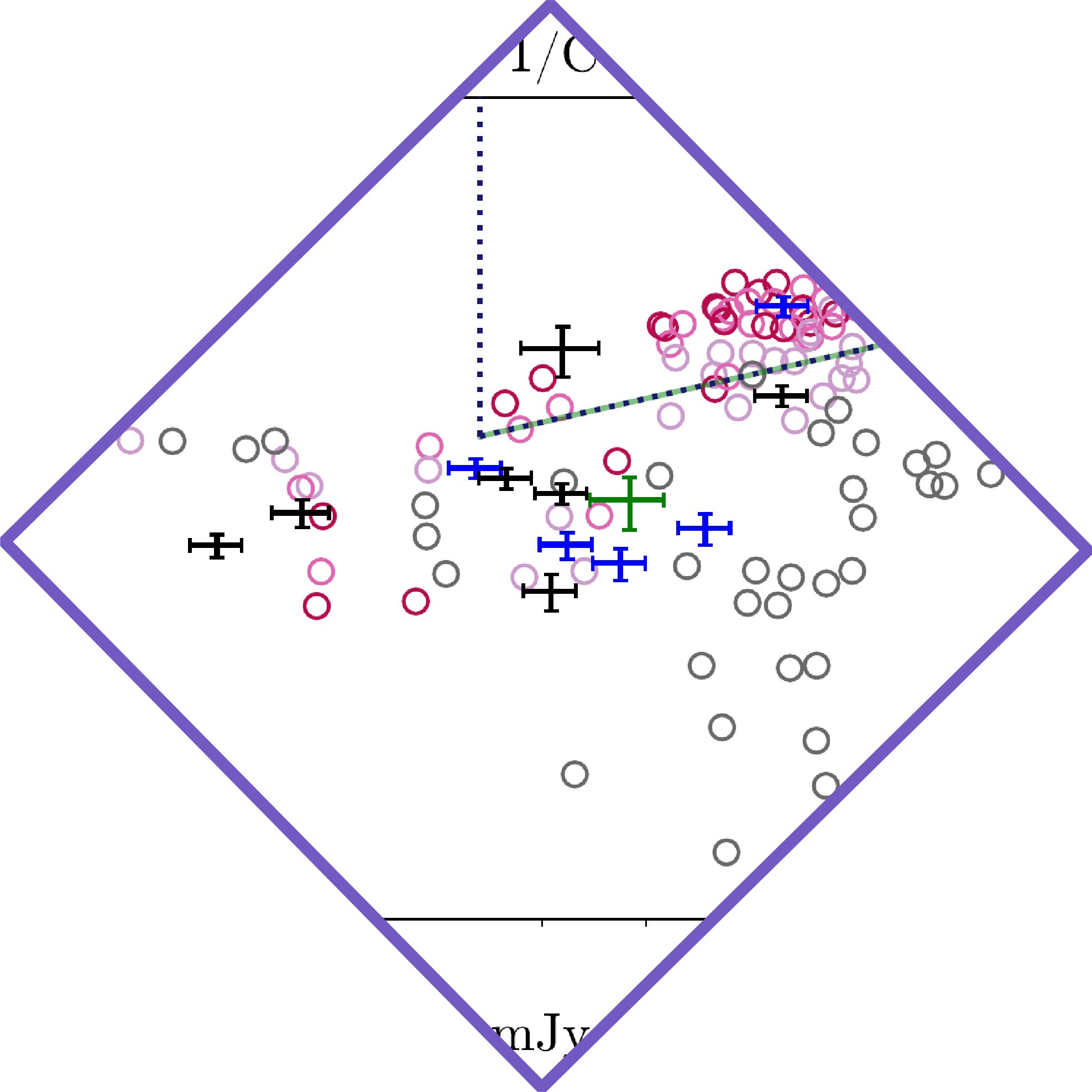
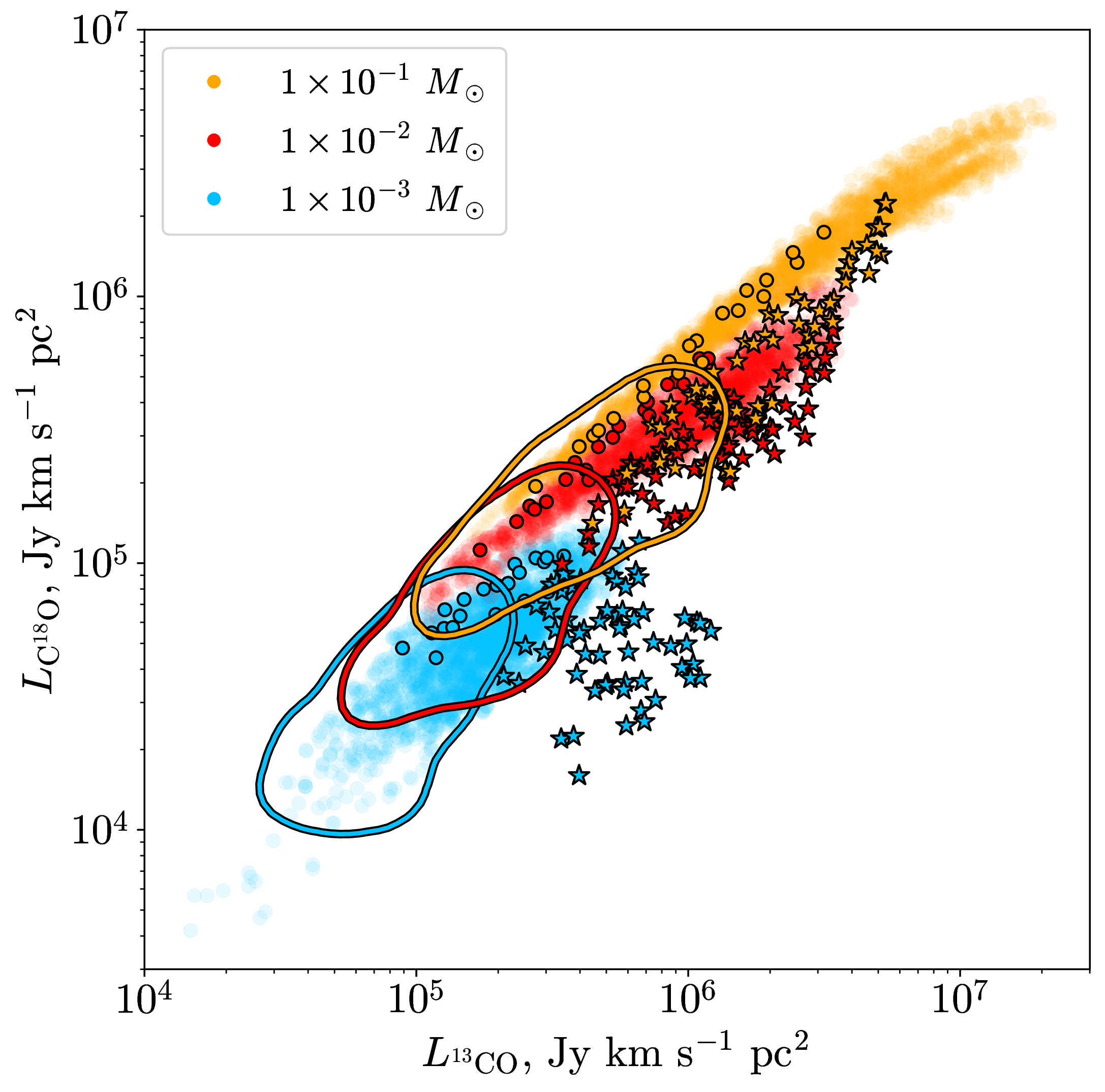
One of the most important problems in the study of protoplanetary disks is the determination of their parameters, such as their size, age, stellar characteristics, and, most importantly, gas mass in the disk. At the moment, one of the main ways to infer the disk mass is to use a combination of CO isotopologue line observations. A number of theoretical studies have concluded that CO must be a reliable gas tracer, as its relative abundance only depends weakly on disk parameters. However, the observed line fluxes cannot always be easily used to infer the column density, much less the abundance of CO. The aim of this work is to study the dependence of the CO isotopologue millimeter line fluxes on the astrochemical model parameters of a standard protoplanetary disk around a T Tauri star and to conclude whether they can be used individually or in combinations to reliably determine the disk parameters. Our case is set apart from earlier studies in the literature by the adoption of a comprehensive chemical network with grain-surface chemistry, together with line radiative transfer.
We used the astrochemical model ANDES together with the radiative transfer code RADMC-3D to simulate CO isotopologue line fluxes from a set of disks with varying key parameters (disk mass, disk radius, stellar mass, and inclination). We studied how these values change with one parameter varying and others fixed and approximated the dependences log-linearly. We described the dependences of CO isotopologue fluxes on all chosen disk parameters. Physical and chemical processes responsible for these dependences are analyzed and explained for each parameter. We show that using a combination of the 13CO and C18O line fluxes, the mass can be estimated only within two orders of magnitude uncertainty and a characteristic radius with an uncertainty of one order of magnitude. We find that the inclusion of the grain-surface chemistry reduces 13CO and C18O fluxes, which can help explain the underestimation of disk mass in the previous studies.
Link to ADS
 T CrA has a companion: First direct detection of T CrA B with VLTI/MATISSE
J. Varga, A. Matter, F. Millour et al.
problem /
solution
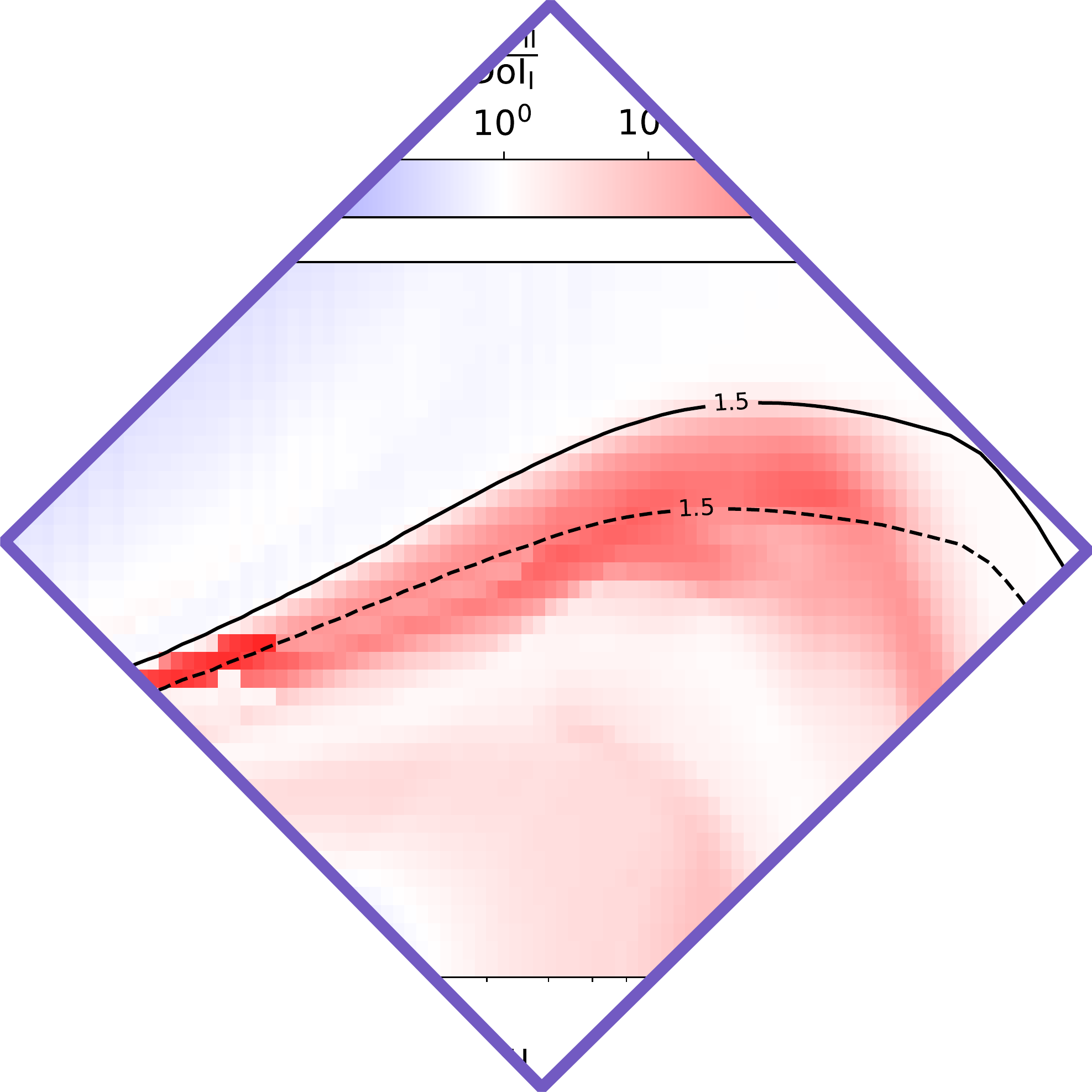
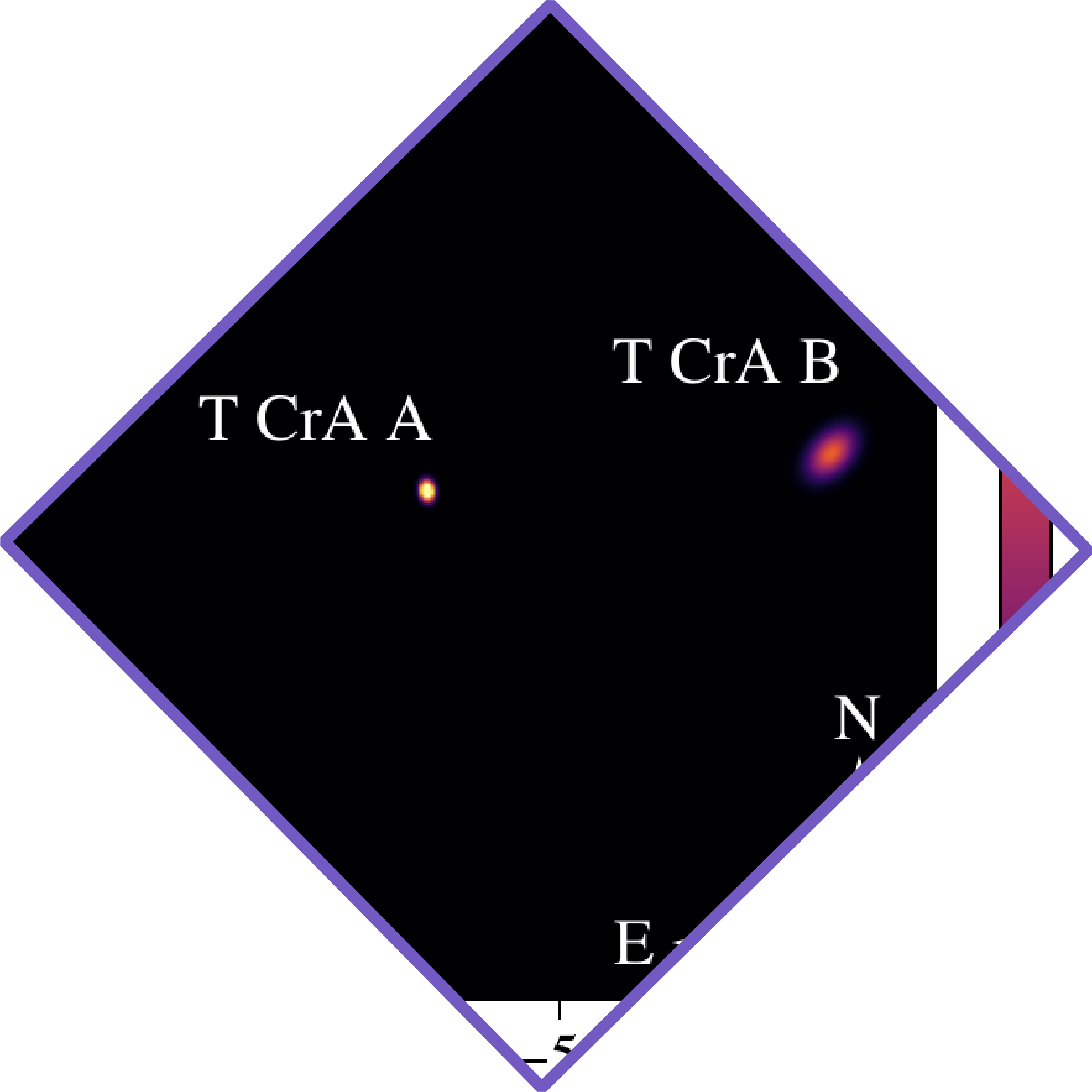
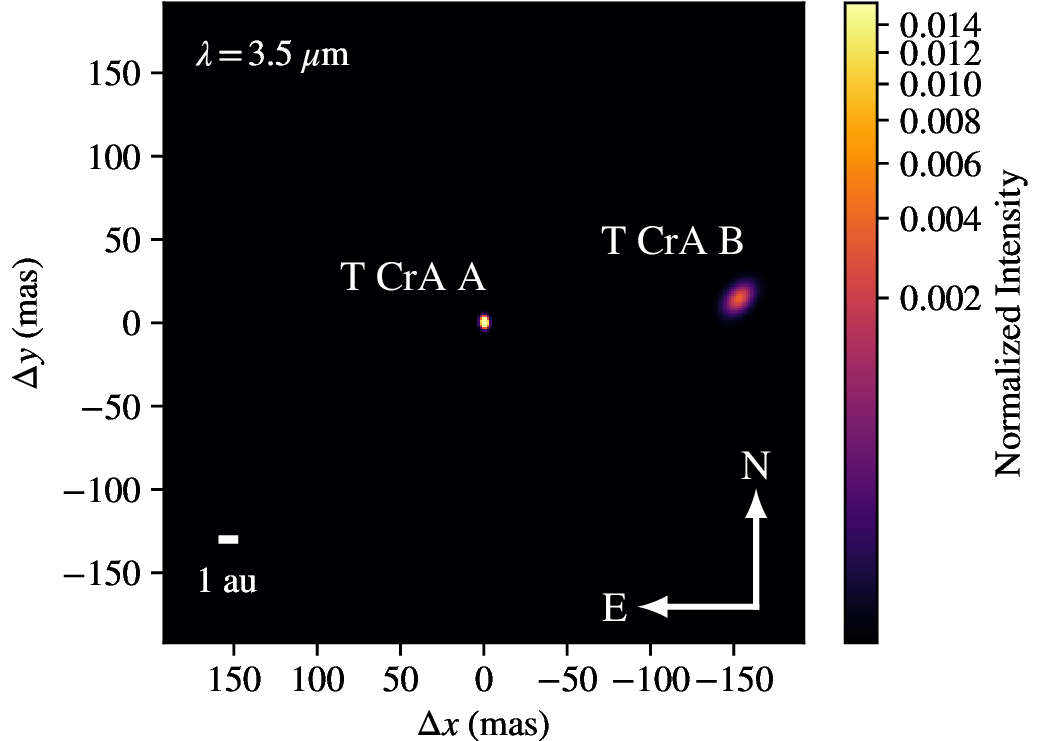
T CrA is a Herbig Ae-type young star in a complex circumstellar environment; it includes a circumstellar disk, accretion streamers, jets, and outflows. It has long been suspected to be a binary. However, until now, there has been no direct detection of a companion. Here we present new VLTI/MATISSE L- and N-band observations of T CrA taken between 2023 May and 2024 August with the aim of testing the binary nature of the system.
We modeled the data with a geometric model using the Python tool oimodeler. We detected a companion (T CrA B) with a projected separation of ∆r = 153.2 ± 1.2 mas (≍23 au) toward the west direction at a position angle of 275.4 ± 0.1°, in 2024 May─August. Our results support that the companion has a nearly edge-on orbit that is highly misaligned with respect to the circumprimary disk. Such a configuration could cause warping and tearing of the disk around the primary, which has been proposed by recent studies. In the L band the companion is extended, with a full width at half maximum (FWHM) size of ∼1 au, suggesting that the emission comes from a disk around the secondary star. The companion flux is 0.2─0.3 Jy in the L band, and 0.2─0.7 Jy in the N band, accounting for 4─20% of the total emission at those wavelengths. The SED of the companion is compatible with thermal radiation of warm dust (600─800 K).
Link to ADS
 Time-resolved protoplanetary disk physics in DQ Tau with JWST
Á. Kospál, P. Ábrahám, V. Akimkin et al.
problem /
solution
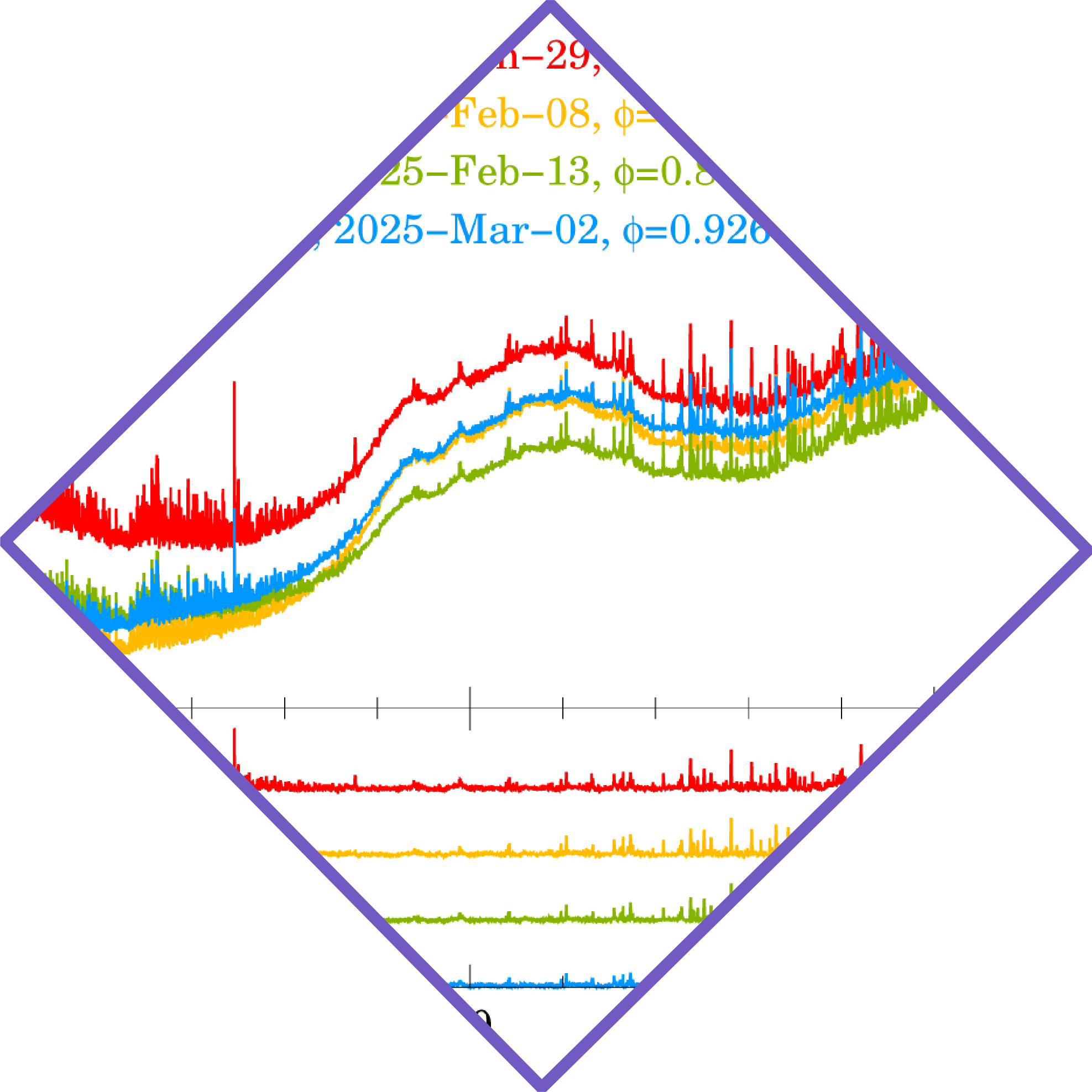
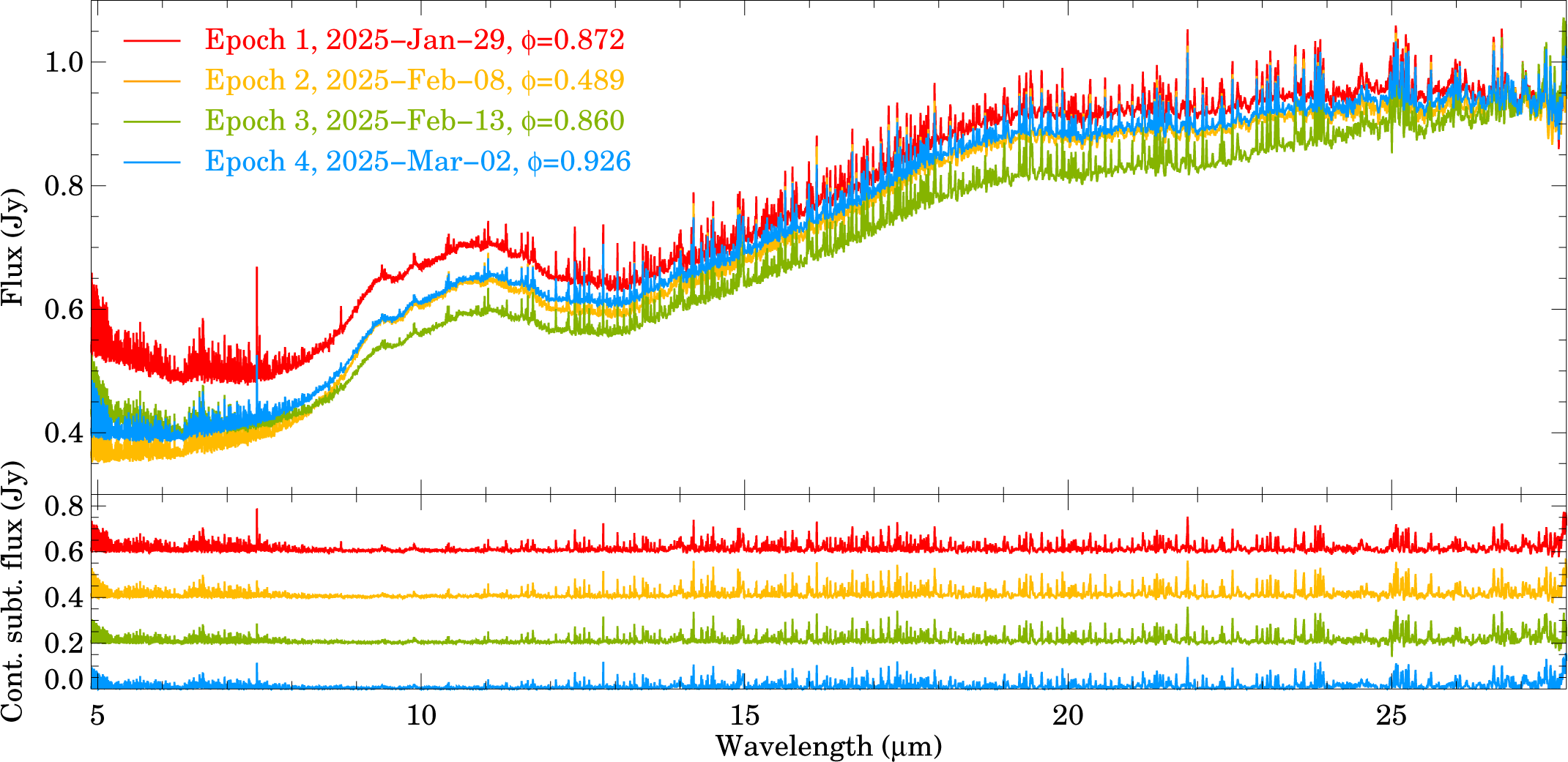
Accretion variability is ubiquitous in young stellar objects. While large outbursts (2.5─6 mag) may strongly affect the disk structure, the effects of moderate bursts (1─2.5 mag) are less understood. Our aim is to characterize the physical response of the disk around the eccentric binary system DQ Tau to its periodic accretion changes.
We organized a multi-wavelength observing campaign centered on four JWST/MIRI spectra. We targeted three consecutive periastrons (high accretion state) and one apastron (quiescence). We used optical and near-infrared spectroscopy and photometry to measure how the accretion luminosity varies. We decomposed the multi-epoch spectral energy distributions into stellar, accretion, and rim components. In the MIRI spectra, we fitted the solid-state features using various opacity curves and the molecular features using slab models. We find the inner disk of DQ Tau to be highly dynamic. The temperature, luminosity, and location of the inner dust rim vary in response to the movement of stars and the Lacc variations (0.10─0.40 L⊙). This causes variable shadowing of the outer disk, leading to an anti-correlation between the rim temperature and the strength of the 10 µm silicate feature. The dust mineralogy remains constant across all epochs, dominated by large (>2 µm) amorphous olivine and pyroxene grains, with smaller fractions of crystalline forsterite. The excitation of CO (1550─2260 K), HCN (880─980 K), and hot H2O (740─860 K) molecules, as well as the luminosity of the [NeII] line correlate with the accretion rate, while the warm (~650 K) and cold (~170─200 K) H2O components are mostly constant. CO emission, originating from a hot region (>1500 K) likely within the dust sublimation radius, is the most sensitive to Lacc changes. In comparison with other T Tauri disks, DQ Tau is highly C-poor and displays moderately inefficient pebble drift. We conclude that even moderate accretion rate changes affect the thermal structure in the planet-forming disk regions on short timescales, providing a crucial benchmark for understanding disk evolution.
Link to ADS